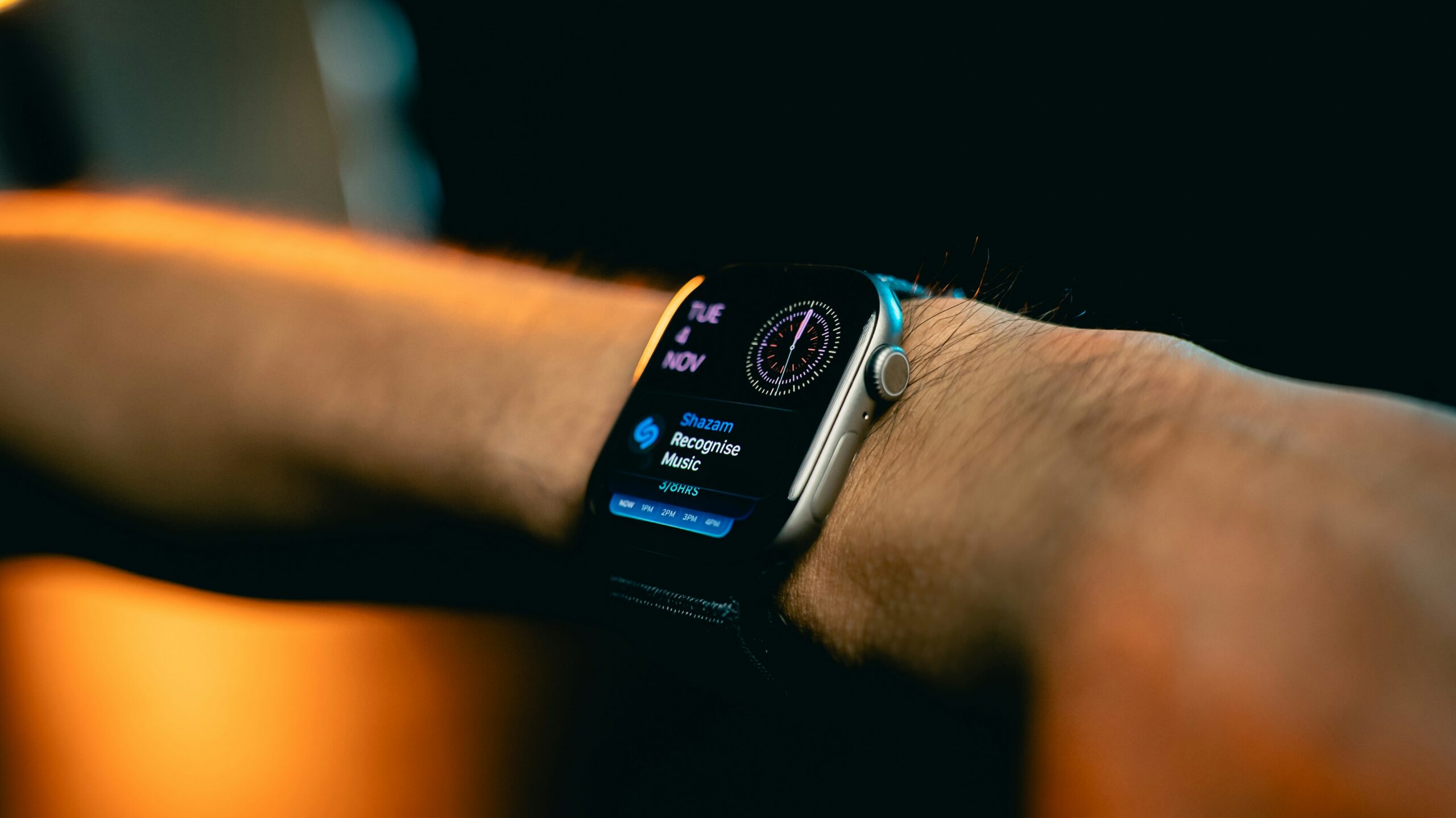
In the palm of your hand, or more precisely, on your wrist, a quiet revolution is unfolding. The wearable technology of 2026 has evolved far beyond simple step counters and sleep trackers. Today’s devices are sophisticated, multi-sensor health and financial hubs, creating a powerful feedback loop between our physiological data and our economic decisions. This convergence is giving rise to a new paradigm: the quantified self, where real-time biometrics directly inform personal capital allocation, risk management, and long-term wellness strategies. We are moving from reactive care and generic financial advice to a proactive, hyper-personalized model powered by continuous data streams.

The Data-Driven Health Economy
The foundation of this revolution is the staggering accuracy and breadth of health monitoring. Modern wearables now employ medical-grade photoplethysmography (PPG), electrodermal activity sensors, and even non-invasive blood chemistry analysis. They don’t just track heart rate; they analyze heart rate variability (HRV) for stress, detect atrial fibrillation with FDA-cleared precision, monitor continuous glucose levels for metabolic health, and assess hydration and cortisol trends. This data is no longer siloed in a companion app; it is becoming interoperable currency within a broader digital health ecosystem.
From Premiums to Paybacks: The Insurance Transformation
Perhaps the most tangible impact is in the insurance sector. The old model of annual premiums based on generalized risk tables is being dismantled. In its place, a dynamic, behavior-based system is flourishing. Leading life and health insurance providers now offer deeply integrated programs where policyholders share wearable data in exchange for significant financial incentives.
For instance, a consistent record of optimal sleep, managed stress (via HRV), and regular physical activity can directly lower monthly premiums or accrue “wellness credits.” Some forward-thinking comprehensive health plan administrators have partnered with corporate wellness platforms to offer real-time rewards—deposits into health savings accounts (HSAs) or contributions to retirement funds—for meeting personalized health targets. This creates a direct, incentivized link between daily habits and financial health, transforming wellness from an abstract concept into a measurable asset.
Wearables as Financial Advisors: The New Frontier of Behavioral Finance
The intersection extends beyond insurance. Wearables are becoming instrumental in combating the emotional triggers that lead to poor financial decisions. Imagine your device detecting a spike in stress biomarkers and sympathetic nervous system activity—a physiological state correlated with impulsive spending or panic selling in markets.
Advanced financial wellness apps now integrate this data. A user entering a high-stress physiological state might receive a gentle notification from their bespoke wealth management service app suggesting a “cooling-off period” before executing a large trade or making a significant purchase. Conversely, data indicating consistent, low-stress recovery periods could be used by automated investment platforms to validate an individual’s risk tolerance for more aggressive portfolio allocation.
Proactive Care and Predictive Cost Avoidance
The most profound financial impact of wearables is in cost avoidance. By shifting healthcare from episodic to continuous, these devices enable early intervention. A wearable that identifies a trend of rising resting heart rate and declining sleep quality might prompt a virtual consultation with a premium telehealth service before a minor issue becomes a chronic condition requiring expensive treatment.
For individuals managing conditions like hypertension or diabetes, continuous monitoring allows for precise medication adherence and lifestyle adjustment, potentially avoiding costly emergency room visits or hospitalizations. This predictive capability empowers consumers to allocate healthcare dollars more efficiently, directing funds toward prevention rather than crisis management. Families utilizing senior care monitoring services via wearable fall detection and vitals tracking can make more informed decisions about care needs, potentially delaying or optimizing the capital outlay for assisted living.
The 2026 Wearable Ecosystem: Seamless Integration and New Services
The standalone fitness tracker is obsolete. Today’s wearables are the central node in a connected ecosystem. Data flows securely between your device, your electronic health record (with permission), your insurer, and a suite of specialized apps. This integration has spawned new high-value service sectors.
High-Value Service Sectors Emerging in 2026
- Personalized Nutritionist and Chef Services: Apps that sync continuous glucose monitor (CGM) data from your wearable to create dynamic meal plans, with some even connecting to local meal-prep delivery services for bespoke, health-optimized food.
- Executive Health Concierge Firms: These services aggregate data from your wearable, schedule and interpret advanced biomarker testing, and provide a single point of contact for coordinating with various specialist medical practitioners and preventive health clinics.
- Integrated Financial-Health Planners: A new breed of advisor who can interpret both your investment portfolio and your health biomarker trends to model long-term care costs, optimize HSA contributions, and structure insurance portfolios.
Navigating the Risks: Privacy, Equity, and Data Fatigue
This brave new world is not without its perils. The aggregation of such intimate data creates a target-rich environment for breaches. The onus is on consumers to meticulously manage data-sharing permissions and to partner only with reputable cybersecurity-vetted service providers. Furthermore, a “quantified self” economy risks creating a two-tiered system where those who are already healthy reap financial rewards, potentially widening gaps. There are also concerns about “data fatigue” and the psychological burden of constant self-surveillance.
The regulatory landscape is racing to catch up. In 2026, clear standards for data ownership, portability, and the permissible uses of biometric data by insurers and employers are still being debated. The most ethical companies in this space are championing transparency, user-controlled data vaults, and ensuring their incentive programs are designed to be inclusive and supportive, not punitive.
Conclusion: A More Holistic, Empowered Future
The wearable tech revolution of 2026 is fundamentally reframing the relationship between our bodies and our bank accounts. It is demystifying health, making it a tangible, manageable asset class. By providing an unblinking, objective view of our physiology, these devices empower us to make smarter daily choices that compound into significant long-term financial and health benefits. The future belongs not just to the quantified self, but to the optimized self—an individual equipped with the data and tools to proactively steward their most valuable assets: their health and their financial security. The convergence is complete, and the opportunity for personalized, preventive, and prosperous living has never been more accessible.
Photo Credits
Photo by Amanz on Unsplash

•
Leave a Reply