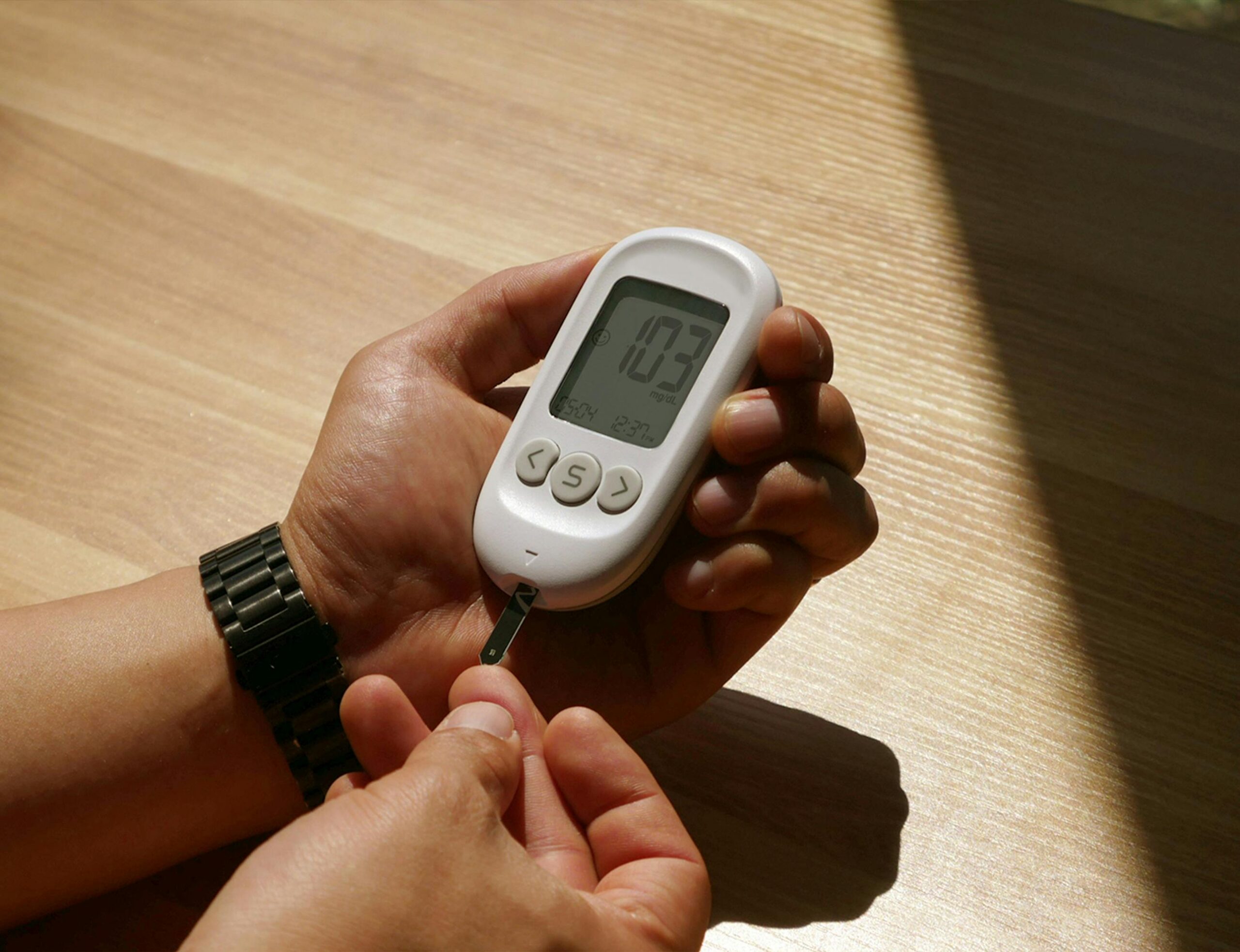
For over a decade, the Quantified Self movement promised a revolution in personal health—a torrent of data from our wrists, our phones, and our homes that would grant us unprecedented insight into our own biology. Yet, for many, the daily step count became just another number, a digital trophy with little tangible impact beyond personal satisfaction. That paradigm has decisively shifted. In 2026, the most significant value of your health data is no longer merely self-knowledge; it’s a powerful financial instrument, directly negotiable with one of the world’s most entrenched industries: insurance. We are now in an era where the continuous stream from your wearable isn’t just informing you—it’s actively lowering your life and health insurance premiums, creating a new landscape of incentivized wellness and complex privacy trade-offs.
The New Actuarial Table: From Statistics to Real-Time Streams
Traditionally, insurance has been a game of pooled risk, priced on broad demographic data and the occasional medical exam—a snapshot in time. The rise of InsurTech partnerships with health tech giants has fundamentally rewritten this model. Companies are now offering dynamic, behavior-based policies that adjust in near-real-time. “We’ve moved from assessing risk based on what you are to pricing based on what you do,” explains Dr. Anya Sharma, a data ethicist at the Stanford Center for Digital Health. “The actuarial table of 2026 isn’t a static chart; it’s a live algorithm fed by your daily habits.”
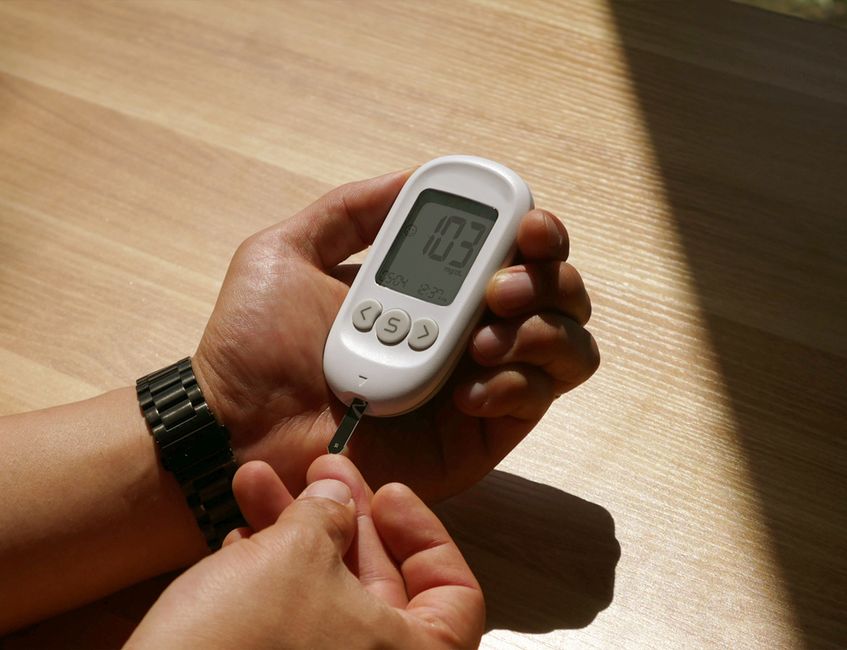
This shift is powered by a sophisticated ecosystem. It’s no longer just about step counts from a basic fitness tracker. Insurers are integrating data from FDA-cleared continuous glucose monitors (even for non-diabetics seeking metabolic insight), medical-grade sleep trackers that measure HRV and blood oxygen, and even connected home gym equipment that validates workout consistency. The most advanced programs incorporate annual at-home biomarker test kits—measuring everything from ApoB for heart health to cortisol trends—creating a comprehensive, multi-layered health portfolio.
Navigating the Premium Discount Landscape: Programs and Partners
For consumers, the market has crystallized into two primary models: the integrated partner program and the independent data verification service.
The Integrated Partner Model
Major insurers have formed exclusive alliances with health tech platforms. For instance, John Hancock’s Vitality PLUS program now directly syncs with Whoop and Oura Ring data, offering premium discounts, Amazon rewards, and even reduced gym memberships for maintaining optimal sleep and activity scores. Similarly, many top-tier life insurance carriers offer accelerated underwriting—skipping the medical exam entirely—for applicants who grant 12 months of historical Apple Health or Fitbit data demonstrating consistent healthy patterns.
The Independent Brokerage Model
A new breed of service has emerged for the privacy-conscious or those with diverse data sources. Companies like HealthData Capital act as intermediaries. You grant them access to your aggregated data from multiple sources (Garmin, your Peloton, your lab results portal), and their algorithm generates a certified “Health Capital Score.” You can then present this score to independent insurance brokers shopping for policies on your behalf, using it as leverage for better rates without giving raw data directly to multiple insurers.
The High-Value Data Points Insurers Crave (And How to Optimize Them)
Not all data is weighted equally. While steps remain a baseline metric, the focus has sharpened on biomarkers of long-term vitality and chronic disease prevention. Here are the high-impact areas:
- Cardiovascular Resilience: Resting heart rate and Heart Rate Variability (HRV) are now critical indicators. Consistently low resting heart rate and high, stable HRV can signal premium reductions of 5-10% in some programs.
- Metabolic Fitness: Data from CGMs, even from short-term diagnostic use, can be powerful. Insurers value flat glucose curves and optimal time-in-range, as they correlate strongly with reduced long-term health risks.
- Sleep Architecture: It’s not just duration. The breakdown of deep sleep and REM sleep stages, measured by advanced wearables, is a key metric. Consistent, high-quality sleep is heavily incentivized.
- Consistency Over Intensity: Algorithms favor sustainable routines. Six months of moderate, daily activity often scores higher than two months of extreme, sporadic workouts followed by burnout.
The Privacy Paradox: What Are You Trading?
This new frontier is not without profound ethical and personal questions. When you opt into these programs, you are not merely sharing data; you are often consenting to a form of behavioral nudging and financial feedback loops. “The risk is the normalization of surveillance for financial necessity,” warns Dr. Sharma. “There’s a fine line between incentive and penalty.”
Key considerations for 2026:
- Data Ownership and Portability: Who owns the aggregated health profile? Under new regulations, you have the right to download your “insured health score” and take it to a competitor, but the process can be opaque.
- Algorithmic Transparency: How exactly is your premium calculated? The proprietary “black box” nature of these algorithms makes it difficult to challenge discrepancies.
- Future Underwriting: Could today’s shared data on sleep irregularities be used in the future to deny a critical illness claim? Robust legislation in the EU and some U.S. states aims to prevent this, but the legal landscape remains a patchwork.
Actionable Steps to Leverage Your Data in 2026
For those ready to explore this path, a strategic approach is essential:
- Audit Your Data Streams: Consolidate your health tech data into a platform like Apple Health or Google Health. Understand your baseline.
- Consult an Independent Insurance Advisor: Before approaching a direct insurer, speak with a fee-only insurance broker who understands the data-discount landscape. They can identify which carriers offer the best terms for your specific health profile.
- Start a “Data Hygiene” Period: Most programs require 3-6 months of consistent data for underwriting. Focus on building sustainable habits in sleep, activity, and recovery before applying.
- Read the Digital Fine Print: Scrutinize data sharing agreements. What specific metrics are collected? How long is data retained? Can you pause sharing without penalty?
- Consider a Phased Approach: Begin with a smaller policy or a wellness program from your existing insurer to test the waters before committing more extensive data for a larger life insurance policy.
The Future: Beyond Discounts to Dynamic Policies
The endgame is moving beyond static premiums with discounts. The industry is piloting fully dynamic, pay-as-you-live policies. Imagine a health insurance deductible that automatically decreases by 5% for every month you maintain your target health metrics, or a life insurance premium that adjusts quarterly. The logical extension is a world where your insurance policy functions less like a static contract and more like a real-time financial reflection of your health choices.
This future promises a more personalized, engaging, and potentially equitable system, rewarding proactive health management. Yet, it also demands a new level of data literacy and vigilance from consumers. The quantified self has found its wallet, and the transaction is now in session. The dividend is real, but the cost, measured in privacy and autonomy, requires careful and continuous calculation.
Photo Credits
Photo by i-SENS, USA on Pexels

•
Leave a Reply