The Foundational Distinction: HSA vs. FSA in 2026
Before allocating funds, one must understand the vehicle. An HSA is a triple-tax-advantaged account tied to a High-Deductible Health Plan (HDHP): contributions are pre-tax, growth is tax-free, and withdrawals for qualified medical expenses are tax-free. Crucially, HSAs are owned by you, with no “use-it-or-lose-it” provision, making them a powerful long-term savings tool. An FSA, typically offered by employers, also uses pre-tax dollars but operates on an annual “use-it-or-lose-it” basis (with limited carryover or grace period options). The list of qualified medical expenses, governed by IRS Publication 502, is largely consistent for both, but the strategic deployment of funds differs significantly.

Key Strategic Considerations for 2026
In 2026, with healthcare costs persistently rising, leveraging these accounts requires foresight. For HSA holders, the optimal strategy often involves paying current expenses out-of-pocket and allowing the HSA to grow as a long-term investment vehicle, preserving receipts for future tax-free reimbursement. For FSA participants, meticulous annual planning is essential to avoid forfeiture, making year-end the perfect time to invest in qualifying durable medical equipment and advanced health monitoring systems.
Qualified Tech Gadgets: Beyond the Basic Thermometer
The definition of “medical device” has expanded dramatically. Today’s eligible gadgets represent a convergence of biometric tracking, diagnostic capability, and therapeutic intervention, often available through premium durable medical equipment retailers and specialized online health technology marketplaces.
Advanced Biometric Monitors and Diagnostic Tools
Gone are the days of simple pedometers. Eligibility now hinges on a device’s ability to diagnose, treat, or mitigate a disease. This includes:
Medical-Grade Blood Pressure Monitors: Not all consumer wearables qualify. Look for FDA-cleared or -approved upper-arm or wrist monitors with clinical validation, often available from cardiac health supply specialists.
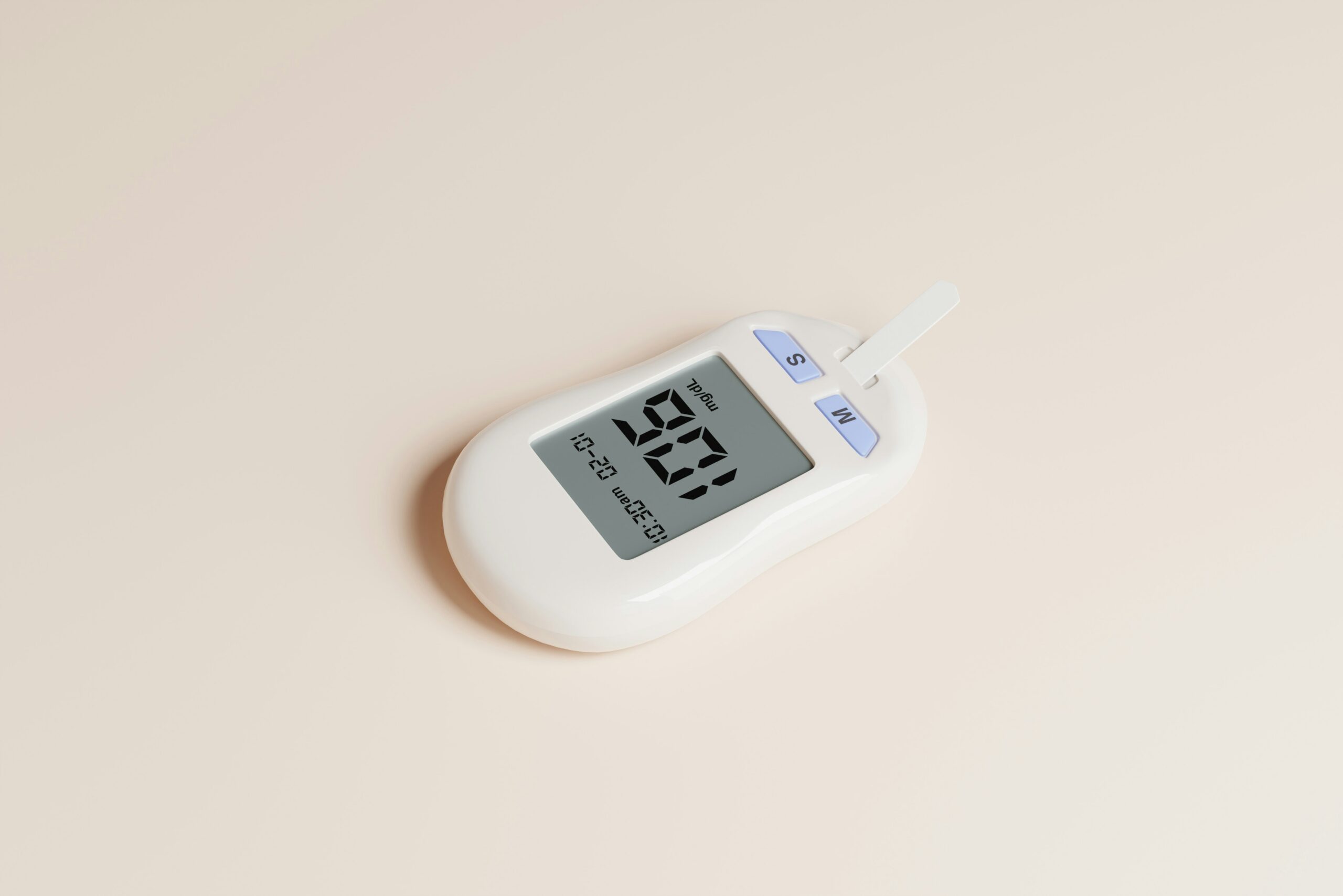
Continuous Glucose Monitors (CGMs): While typically prescribed for diabetics, the IRS has clarified that CGMs and their sensors are eligible, even without a formal diabetes diagnosis, if used to monitor blood sugar for health purposes.
Prescription-Grade Sleep Apnea Technology: This extends beyond CPAP machines to include advanced mandibular advancement devices (MADs) prescribed by a sleep specialist and purchased through accredited dental sleep medicine providers.
FDA-Cleared Smart Scales: Scales that measure body composition (body fat, muscle mass, bone mass) through bioelectrical impedance analysis (BIA) are eligible with a Letter of Medical Necessity (LMN) from a physician, linking the data to a treatment plan for obesity, heart disease, or other conditions.
Therapeutic and Assistive Technology
This category covers devices that provide physical relief or support:
Blue Light Therapy Devices for Psoriasis and Acne: FDA-cleared handheld or panel devices, recommended by a dermatologist, are eligible.
Advanced TENS and EMS Units: Transcutaneous Electrical Nerve Stimulation (TENS) and Electrical Muscle Stimulation (EMS) devices for chronic pain or muscle rehabilitation, available from physical therapy equipment suppliers, qualify with an LMN.
Smart Pill Dispensers: For individuals managing complex medication regimens, automated dispensers with alarms and monitoring are eligible, often sourced from senior care technology services.
Eligible Health and Wellness Services: Investing in Proactive Care
The scope of reimbursable services has broadened, reflecting a holistic view of health. This is where strategic spending on high-value services can yield significant quality-of-life returns.
Mental and Behavioral Health Support
The mental health parity laws of the early 2020s solidified coverage. In 2026, eligible expenses include:
Licensed Teletherapy and Online Counseling Sessions: Premium subscriptions to platforms connecting users with licensed therapists, psychologists, and psychiatrists are fully reimbursable.
Meditation and Mindfulness App Subscriptions: With an LMN citing treatment for stress, anxiety, or hypertension, fees for clinically validated apps are eligible.
Smoking Cessation Programs: This includes over-the-counter cessation aids (patches, gum) and comprehensive program fees, even for digital cessation coaching platforms.
Preventative and Alternative Care
Proactive health management is increasingly covered:
Nutritional Counseling: Services provided by a registered dietitian or nutritionist for a diagnosed medical condition (e.g., diabetes, celiac disease, cardiovascular disease) are eligible.
Premium Fitness Memberships and Peloton Subscriptions? Generally, no. However, if a physician provides an LMN prescribing exercise to treat a specific condition like obesity, hypertension, or depression, the membership fees can qualify. Documentation is paramount.
Acupuncture and Therapeutic Massage: Both are eligible when prescribed by a physician to treat a specific medical condition, such as chronic back pain or injury rehabilitation. Seek out licensed medical acupuncturists for optimal documentation.
Vision and Dental: Often Overlooked Avenues
Both HSAs and FSAs cover a wide range of vision and dental expenses beyond basic checkups:
Laser Eye Surgery (LASIK, PRK): A classic eligible expense, representing a significant one-time use of pre-tax funds.
Prescription Sunglasses and Blue Light Glasses: Sunglasses with prescription lenses are eligible. Non-prescription blue light glasses may qualify with an LMN for conditions like migraines or digital eye strain.
Teeth Aligners (Invisalign and Competitors): Orthodontic treatment, including clear aligners, is eligible. This is a major expense that can be strategically planned for with FSA funds or HSA savings.
Navigating the Gray Areas and Documentation in 2026
The burden of proof for eligibility rests with the account holder. In an audit, the IRS requires that expenses be primarily for the “diagnosis, cure, mitigation, treatment, or prevention of disease.”
The Critical Role of the Letter of Medical Necessity (LMN)
For any item or service in a gray area, an LMN from your physician is your strongest asset. It should:
Specifically name the product or service.
Diagnose the medical condition being treated.
Explain how the item/service alleviates or treats that condition.
This document transforms a “wellness” purchase into a qualified medical expense. Keep it with your tax records.
What Typically Does NOT Qualify (Common Pitfalls)
While rules expand, clear exclusions remain: general health supplements (vitamins, probiotics) without a diagnosed deficiency, elective cosmetic procedures, ordinary childcare (even for a sick child), and fitness equipment for general use. Always consult the latest IRS guidelines or a qualified tax advisor specializing in healthcare finance for borderline cases.
Strategic Conclusion: Optimizing Your Health Capital in 2026
Photo Credits
Photo by Mockup Free on Unsplash

•
Leave a Reply