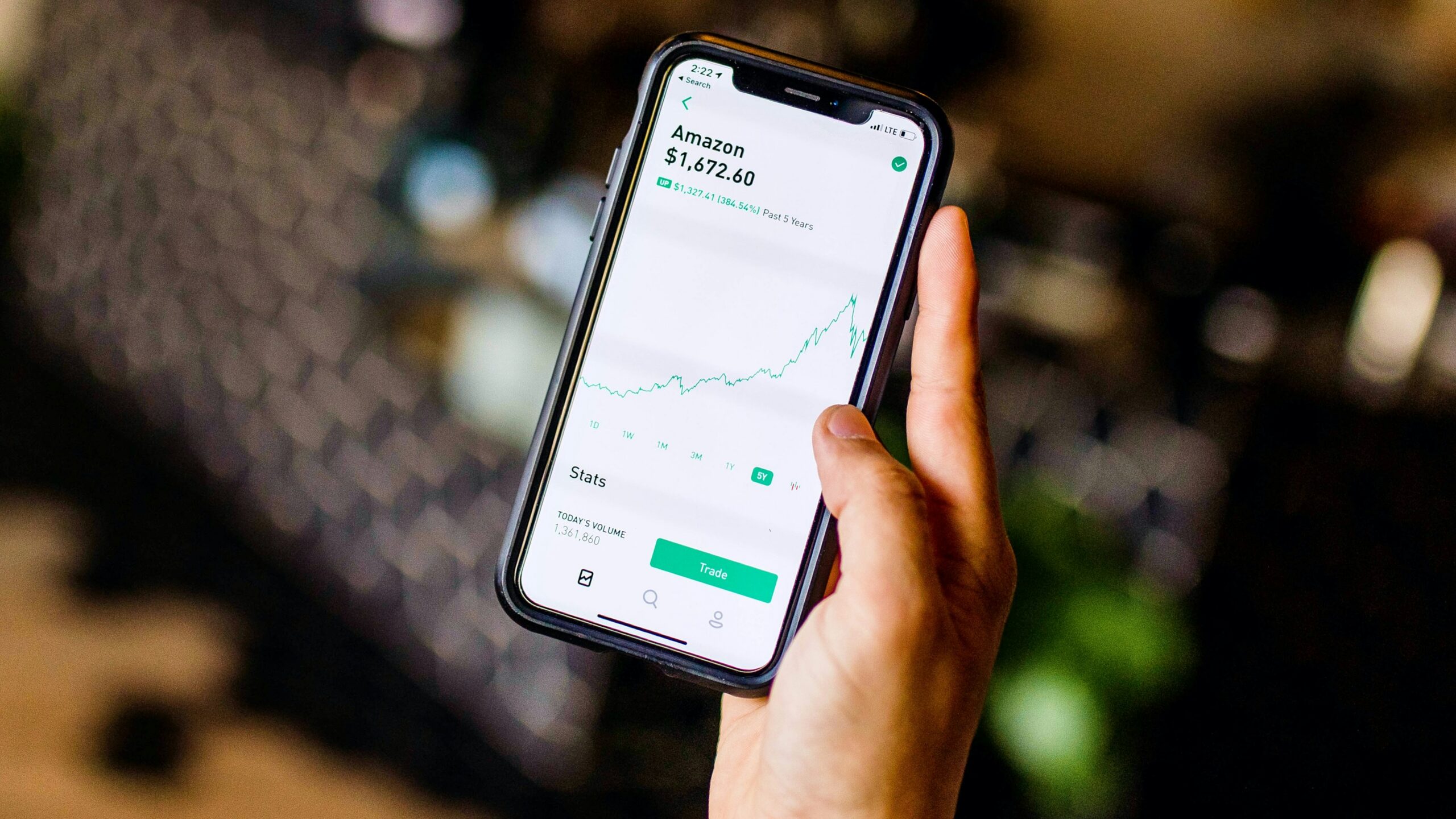
For decades, the connection between financial stress and physical health has been a grim footnote in economic studies. The data is unequivocal: chronic money anxiety elevates cortisol levels, disrupts sleep, and is a comorbidity for conditions from hypertension to depression. Yet, the solutions have remained siloed—budgeting apps on one screen, fitness trackers on another. In 2026, a transformative convergence is underway. A new breed of financial wellness platforms is emerging, not merely to track your net worth, but to actively invest in your biological capital. These apps leverage behavioral psychology, open banking data, and AI-driven personalization to create a holistic feedback loop where sound financial decisions directly fund and incentivize tangible physical well-being. This isn’t just about saving money; it’s about converting fiscal discipline into a longer, healthier life.

The New Frontier: Biometric Banking and Behavioral Nudges
The foundational shift powering this trend is the maturation of “open finance” and user-permissioned biometric data sharing. Consumers, increasingly savvy about data ownership, are opting into platforms that synthesize their financial inflows and outflows with data from wearable devices like the Oura Ring, Whoop strap, or Apple Watch. This creates a powerful diagnostic dashboard. An app can now correlate a week of elevated spending on takeout with a measurable dip in sleep quality and resting heart rate variability (HRV). The insight alone is valuable, but the innovation lies in the automated, personalized interventions—what behavioral economists call “hyper-contextual nudges.” The goal is to move users from awareness to action, creating a virtuous cycle where financial and physical health are mutually reinforcing assets.
What to Look for in an Integrated Wellness Platform
When evaluating these converged services, discerning users should prioritize platforms that go beyond simple data aggregation. Look for true two-way integration, where an action in one domain triggers a reward or suggestion in the other. AI-powered coaching that provides actionable insights, not just charts, is essential. Crucially, examine the privacy and data monetization policies; premier services operate on a clear subscription model, not by selling your sensitive health and financial data. Finally, the most effective platforms function as a personalized wellness concierge, connecting you to high-value services like registered dietitian nutritionists or certified financial planners, creating a seamless ecosystem for improvement.
5 Financial Wellness Apps Bridging the Gap to Physical Health
1. Lumina Path: The Holistic Life Algorithm
Lumina Path has emerged as the gold standard for integrated wealth and health management. Its core innovation is the “Vitality Index,” a proprietary score that blends cash flow stability, emergency fund adequacy, investment health, sleep score, HRV, and weekly activity minutes. The app’s AI, “Aura,” acts as a cross-disciplinary coach. For instance, if it detects a pattern of “stress spending” on late-night e-commerce alongside poor sleep, it might nudge you to enroll in a sponsored digital cognitive behavioral therapy (CBT) module, with the cost covered by a “health credit” earned for hitting a monthly savings goal. Lumina excels at creating micro-incentives: saving $50 on unused subscriptions could unlock a premium guided meditation series or a discount on a massage at a top-rated local wellness spa. It’s a masterclass in making abstract financial discipline feel physically rewarding.
2. Stackwell: Building Black Wealth, Bolstering Community Health
Stackwell addresses a critical and often overlooked nexus: the racial wealth gap and its documented impact on community health outcomes. This investment app, designed specifically for the Black community, automates diversified investing while weaving in powerful health-centric features. Its “Community Challenges” are a standout. Users can join groups focused on a goal—like “Heart Health Month”—where consistent weekly investments unlock donations to community health centers and access to virtual wellness seminars with leading Black cardiologists and financial therapists. Stackwell partners with local Black-owned gyms and healthy meal prep services, offering substantial discounts for users who maintain their automated investment plans. It powerfully reframes wealth building not as a solitary pursuit, but as a collective investment in the literal vitality of a community.
3. Kitch: Nutritional Finance for the Modern Household
Food is the most direct intersection of finance and physiology, and Kitch has mastered it. This app links to your grocery loyalty cards, delivery accounts (Instacart, Amazon Fresh), and bank cards to analyze your household’s nutritional spend. Its AI categorizes not just by cost, but by nutritional value—flagging “high-cost, low-nutrient” patterns. The “Smart Swap Engine” is revolutionary: it can identify that your frequent purchase of premium cold-pressed juice is blowing your budget and spiking your sugar intake, and suggest a local CSA (Community Supported Agriculture) box subscription or a recipe kit service that would provide more whole-food fiber for 30% less. By automating meal planning around seasonal, affordable produce and tracking the resulting grocery savings, Kitch directly ties improved dietary choices to visible financial gains, funding what it calls your “long-term health equity.”
4. Solace: Debt Reduction as a Sleep Aid
Solace operates on a compelling, single-minded thesis: reducing debt burden is the most effective sleep aid on the market. The app syncs with your credit cards, student loans, and other liabilities, creating an aggressive but manageable “Guided Paydown Plan.” Its unique feature is a deep integration with sleep trackers. Each on-time, above-minimum payment you make unlocks access to Solace’s library of wind-down content: sleep stories narrated by mindfulness experts, exclusive soundscapes, and ASMR financial wellness visualizations. More powerfully, the app visualizes your progress through a “Sleep Debt Calculator,” showing how every $1,000 of principal paid down correlates with an estimated average increase in deep sleep. For high-net-worth individuals with complex liabilities, Solace offers a white-glove concierge service to negotiate directly with lenders, turning the stressful process of debt management into a curated, sleep-positive experience.
5. Vault: Gamified Fitness for Your Financial Future
Vault takes the mechanics of fitness gamification—streaks, points, levels—and applies them to compound interest. This app is for the person who thrives on Peloton leaderboards and Fitbit challenges. You connect your investment accounts and set “Fitness-Finance” goals. A 45-minute workout might earn “Vault Coins” that can be converted into micro-investments in your portfolio. Complete a monthly savings challenge, and unlock a bonus APY on your Vault high-yield cash account for the next quarter. The app features live “Power Hour” classes where a fitness instructor and a CFA lead a simultaneous workout and investing Q&A. Vault’s partnerships are particularly savvy, offering rewards like complimentary sessions with elite personal trainers or gear from sustainable athletic wear brands for hitting annual net-worth milestones. It makes the long-term marathon of wealth building feel like a winnable, daily game.
Implementing Your Integrated Strategy: A Practical Guide
Adopting this holistic approach requires more than downloading an app. It demands a shift in mindset, viewing time and capital allocation as investments in your human capital. Start with an audit: use your existing bank and health app data to identify one clear stress point. Is it dining-out spend and elevated blood pressure? Or subscription clutter and fragmented sleep? Choose one platform that directly addresses that nexus. Begin with a 90-day trial, focusing on the behavioral nudges, not just the data dashboard. Schedule a quarterly “Wealth & Wellness Review,” using the insights from your chosen app to inform conversations with your fee-only financial planner and primary care physician. The goal is to create a unified narrative about your well-being.
The 2026 Outlook: From Management to Prediction
The trajectory for this sector points toward predictive and prescriptive analytics. We are moving beyond apps that react to last month’s spending and sleep data. The next generation, currently in beta, uses machine learning to forecast potential financial stressors (an irregular income dip, a large tax bill) and preemptively suggest protective wellness routines. Imagine an app that, knowing a stressful project at work is looming, automatically adjusts your budget to allocate funds for meal delivery and suggests a pre-emptive series with an on-demand meditation coach. The ultimate promise is a truly proactive ecosystem, where your financial infrastructure doesn’t just support your health—it actively defends and enhances it, turning every dollar saved and every investment made into a down payment on a more vibrant future.
Conclusion
The fragmentation of our digital lives—finances here, health there—has long obscured a fundamental truth: our financial and physical well-being are inextricably linked. The financial wellness apps of 2026 are finally building bridges across that divide, transforming isolated data points into a coherent story of holistic health. They offer a powerful paradigm where disciplined capital allocation funds lifestyle upgrades, where investment returns are measured not just in percentages, but in resting heart rate and quality sleep. By choosing a platform that aligns with your specific goals, you move beyond mere money management. You embark on a strategy of integrated self-investment, where the ultimate dividend is a longer, healthier, and more resilient life.
Photo Credits
Photo by Infrarate.com on Unsplash

•
Leave a Reply